
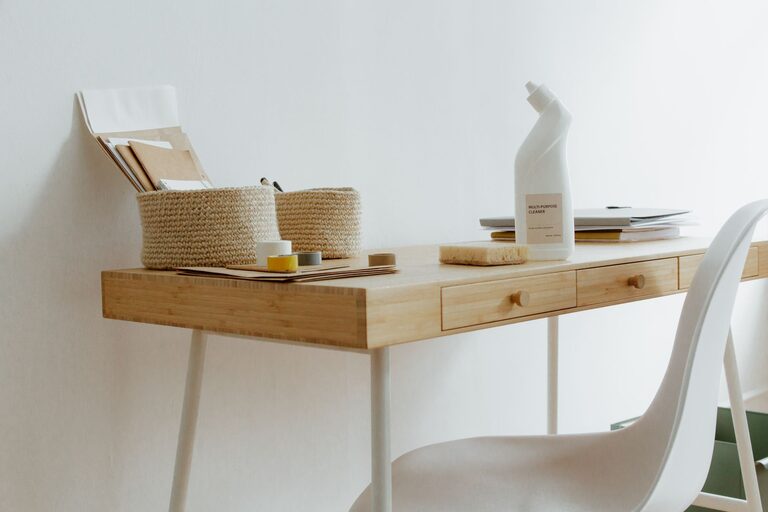
In recent years, working from home has become an integral part of many people’s daily routines. Whether you’re freelancing, telecommuting, or managing a home-based business, having a well-organized and productive workspace can make all the difference. A cluttered or poorly planned area may hinder concentration and decrease efficiency, while a thoughtfully arranged workspace promotes focus and creativity. Here are some useful tips to help you create an organized and productive home workspace.
1. Choose the Right Location
Selecting the best spot for your home workspace is the foundation of productivity. Consider the following:
– Natural Light: Try to set up near a window. Natural light reduces eye strain and uplifts your mood.
– Quiet Area: Pick a place away from household noise or distractions to maintain focus.
– Space Requirements: Ensure there is enough room for your desk, chair, and necessary equipment.
If space is limited, consider multi-purpose areas with foldable desks or portable organizers.
2. Invest in Comfortable and Functional Furniture
The furniture you use can impact your health and work quality.
– Ergonomic Chair: Choose a chair with adjustable height and good back support to prevent strain.
– Desk Size: Select a desk that fits your work materials without overcrowding.
– Adjustable Setup: Incorporate monitor stands or laptop risers to maintain proper posture.
Comfort helps you maintain longer periods of focus and reduces the risk of discomfort.
3. Keep Your Workspace Organized
Organization is key to avoiding distractions and streamlining your workflow.
– Declutter Regularly: Remove unnecessary items from your desk daily.
– Use Storage Solutions: Utilize drawers, shelves, or desk organizers to keep supplies neatly stored.
– Cable Management: Employ clips or sleeves to keep cords tidy and out of the way.
An orderly environment helps clear your mind, making it easier to focus.
4. Personalize Without Overdoing It
Adding personal touches can make your workspace more inviting, but avoid excessive decorations that cause distraction.
– Minimal Decor: Choose a few meaningful items like photos, plants, or artwork.
– Greenery: A small plant can boost mood and air quality.
– Inspirational Quotes: Frames with motivational quotes can help maintain a positive mindset.
A balanced, pleasant workspace helps you stay motivated and comfortable.
5. Optimize Lighting
Proper lighting supports productivity and reduces eye strain.
– Combine Natural and Artificial Light: Use daylight when possible, supplemented with desk lamps that provide soft, focused light.
– Adjust Brightness: Avoid overly harsh or dim lighting.
– Positioning: Place lights to reduce screen glare.
Good lighting enhances clarity and comfort during work hours.
6. Establish a Routine and Boundaries
Creating a productive work environment isn’t just about the physical space—it also involves habits.
– Set Work Hours: Decide your start and finish times to maintain balance.
– Breaks: Schedule short breaks to help prevent burnout.
– Limit Distractions: Inform family members of your work schedule and minimize phone or social media interruptions.
Clear boundaries help maintain focus and separate work life from home life.
7. Incorporate Technology Wisely
Technology plays a vital role in a home workspace but needs to be managed well.
– Reliable Equipment: Invest in a quality computer, headset, and internet connection.
– Apps and Tools: Use productivity apps for time management, task organization, or communication.
– Regular Updates: Keep software and hardware up to date to avoid technical issues.
Efficient technology supports smooth work without unnecessary interruptions.
8. Keep It Clean and Maintainable
A clean workspace feels inviting and reduces stress.
– Daily Cleanup: Spend a few minutes tidying your desk at the end of each day.
– Deep Cleaning: Schedule weekly cleaning for surfaces, equipment, and floors.
– Sanitizing: Especially important if sharing spaces or equipment.
Cleanliness contributes to a healthy environment and positive mindset.
—
Creating an organized and productive home workspace takes some thought and effort, but the benefits for your focus and well-being are well worth it. By selecting the right location, investing in comfortable furniture, maintaining organization, personalizing thoughtfully, managing lighting, setting clear routines, using technology strategically, and keeping the space clean, you can build a work environment that supports success every day. Remember, small changes can make a big difference, so start with what feels manageable and build your ideal workspace over time.